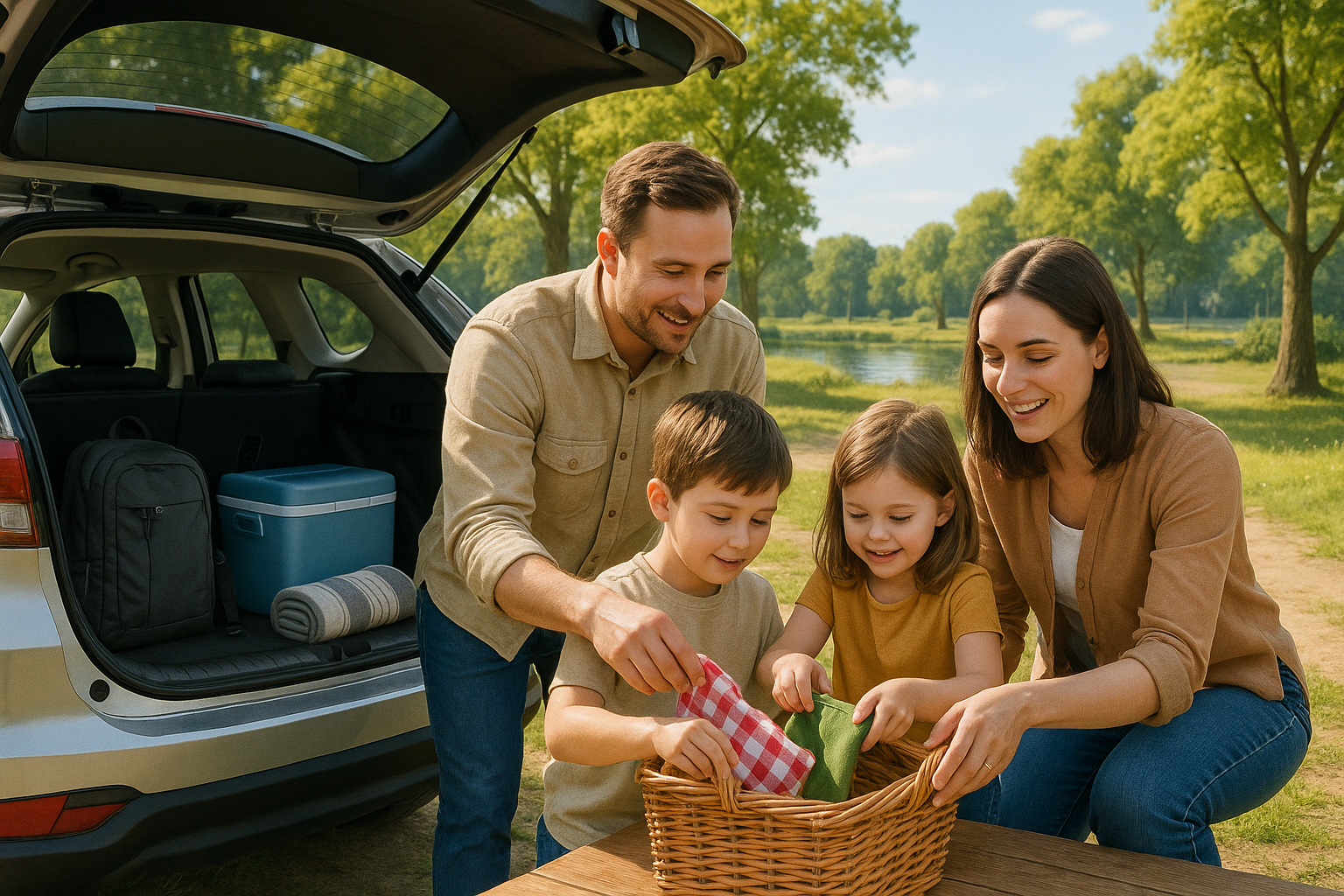
Planning a family day trip? Here's how to make it stress-free and fun for everyone.
Key Takeaways:
- Why Day Trips Work: Affordable, flexible, and perfect for quality family time.
- Top Quad Cities Spots: Visit places like the Family Museum, Wildcat Den State Park, or the John Deere Pavilion.
- Preparation Tips: Research destinations, set a budget, check weather and hours, and pack essentials like snacks, water, and a first aid kit.
- Packing Essentials: Include weather-appropriate clothing, reusable water bottles, kid-friendly entertainment, and emergency supplies.
- Stay Flexible: Have backup plans for weather changes or closures and group nearby activities to save time.
Essential Tips For Days Out With Kids | Watch This Before You Plan Summer Trips
Step 1: Research and Planning Basics
Laying the groundwork with research on destinations, budgeting, and logistics ensures your day trip goes off without a hitch.
Finding Destinations
Start by considering your family's interests - whether it's animals, interactive exhibits, outdoor activities, or indoor exploration. Once you’ve got a sense of what excites everyone, you can zero in on specific spots that fit the bill.
Travel time is key, especially when kids are involved. For younger children, aim for destinations within a two-hour drive. Older kids might manage up to three hours. Living in the Quad Cities area gives you access to a variety of options, from state parks and historic landmarks to working farms and quaint river towns in Iowa and Illinois.
Don’t dismiss smaller, lesser-known attractions. A local nature center or historic homestead can offer a quieter, less crowded experience compared to big-name tourist spots. These places often provide a more personal touch, making them ideal for families with young kids. Websites like QC.LocalDayTrips.com are great for finding details on seasonal events, accessibility, and family-friendly amenities.
Setting Your Budget
Day trips can be as affordable or pricey as you make them, so setting a budget upfront helps you stay on track. Factor in costs like admission, transportation, meals, and a small buffer for unexpected expenses.
Admission fees vary widely. State parks might charge around $5.00 per vehicle, while specialty attractions can cost $15.00 to $25.00 per person. Many spots let children under two in for free, and kids aged 3-12 often qualify for discounted rates. Look for family packages, which can save you $10.00 to $20.00 compared to buying individual tickets.
Food is another big expense. Packing your own lunch and snacks can save a family of four $40.00 to $60.00 compared to buying food at the destination. That said, sometimes the convenience - or novelty - of eating on-site is worth the splurge, especially if it adds to the experience.
Once you’ve picked your destination and set your budget, it’s time to confirm operating hours and check the weather.
Checking Weather and Hours
Avoid last-minute hiccups by verifying attraction hours and weather conditions ahead of time. Double-check operating hours at least a day before your trip, as seasonal schedules or unexpected closures for maintenance can throw a wrench in your plans.
Be mindful of holiday schedules and seasonal variations. Some attractions shut down on major holidays, while others offer special events. Museums often close on Mondays, and outdoor venues may have weather-dependent closures.
For outdoor trips, weather forecasting is crucial. Look at the three-day forecast, not just the day-of, to anticipate any surprises. If rain’s in the mix, have an indoor backup plan ready. Extreme heat or cold might call for adjustments, like starting earlier on hot days or opting for indoor activities when it’s freezing.
When in doubt, call the attraction directly. Staff can provide real-time updates on weather-related closures, trail conditions, or any other potential disruptions.
With these steps, you’ll have a solid foundation for a successful day trip. Now you’re ready to move on to detailed planning and packing!
Step 2: What to Pack for Your Day Trip
Packing smart makes all the difference - stick to the essentials to ensure everyone stays comfortable, safe, and entertained. Here's a breakdown of what you'll need for a successful day out.
Clothes and Weather Gear
Midwest weather can be unpredictable, so layering is key. Opt for a light jacket or hoodie instead of bulky coats to stay flexible.
Sunscreen with SPF 30 or higher, wide-brimmed hats, and lightweight rain jackets are must-haves for sudden weather changes. For rainy days, pack compact rain jackets instead of umbrellas - they’re easier to manage on trails or at outdoor attractions. Tuck them into a small stuff sack to save space. And don’t forget extra socks - wet feet from puddles or splash pads can ruin the fun.
Choose shoes based on your activities. For instance, if you’re exploring Wildcat Den State Park, sturdy footwear with good grip is a must for navigating the rocky trails.
Food and Drinks
Bringing your own food saves money and ensures everyone gets what they like. A 12-quart cooler is perfect for a family of four, keeping drinks cold and perishables fresh for up to eight hours with proper ice packs.
Water should be your top priority. Pack at least 16 ounces per person, and bring extra if it’s hot or you’ll be active outdoors. Reusable water bottles with clips or carabiners are a great choice - they attach easily to backpacks, reducing the risk of losing them.
Stick to snacks that travel well and won’t create a mess. Trail mix, granola bars, and individual fruit cups are great options. Avoid chocolate or gummy snacks on hot days - they’ll melt into a sticky mess. For longer trips, pack sandwiches in sturdy containers to prevent squishing.
Keep wet wipes and paper towels handy for spills and sticky hands. Stash them in an easy-to-reach bag so you’re not digging through the cooler every time someone needs a quick cleanup.
Health and Safety Essentials
A basic first aid kit is non-negotiable. Include bandages, antiseptic wipes, children’s pain reliever, and any necessary medications. If anyone in the family has asthma, don’t forget backup inhalers - excitement and outdoor activities can trigger episodes.
Hand sanitizer is a must for places like petting zoos, playgrounds, or before meals. Clip-on bottles that attach to bags or belt loops make them easy to access.
Carry emergency contact information and medical details for each family member in a waterproof bag. Include your pediatrician’s phone number, insurance cards, and allergy details. If you’re visiting attractions that require ID, pack those documents too.
Insect repellent is essential for outdoor trips, especially near the Mississippi River where mosquitoes are common in warmer months. Choose a DEET-based repellent for longer-lasting protection.
Keeping Kids Entertained
Long car rides and waiting times can test anyone’s patience, so plan ahead. Load up tablets with movies or games, and pack headphones, charging cables, and a portable battery pack to keep devices running.
For screen-free options, bring small toys, coloring books, or travel-sized games. Magnetic drawing boards and reusable sticker books are ideal - they’re fun and less messy than traditional art supplies. Younger kids might also appreciate having their favorite stuffed animal or blanket for comfort.
To avoid squabbles, pack separate activity bags for each child. Include a mix of quiet activities for the car and more engaging items for downtime at your destination.
Packing Light vs. Packing Everything
Striking the right balance between being prepared and overpacking can be tricky. The "bring, borrow, buy" method can help you decide what’s necessary and what can be picked up at your destination if needed.
| Packing Light | Packing Everything |
|---|---|
| Pros: Easier to carry, less to keep track of, quicker transitions between activities | Pros: Ready for any situation, no need to buy forgotten items, familiar comfort items on hand |
| Cons: Might need to buy forgotten essentials, less prepared for unexpected weather | Cons: Heavier bags, more to manage, overwhelming for kids to handle |
| Best for: Older kids (8+), shorter trips, destinations with nearby stores | Best for: Toddlers, remote locations, families with special medical needs |
Focus on essentials instead of packing for every possible scenario. For example, if the forecast predicts sunny skies and 75°F, leave the winter coats at home. Trust your planning and your ability to adapt if surprises come up.
As kids grow older and more independent, your packing needs will lighten. A 10-year-old can carry their own small backpack with personal items, while toddlers will still need a more comprehensive pack. Prioritize safety, comfort, and the specific needs of your activities to streamline your load and make the trip more enjoyable for everyone.
Step 3: Picking Family-Friendly Quad Cities Spots
When planning your visit to the Quad Cities, it’s essential to choose attractions that match your kids’ ages, interests, and energy levels. Taking the time to review activity options and tailor your itinerary will make for a smoother and more enjoyable day.
Best Quad Cities Attractions
Here are some standout spots that cater to families:
-
The Family Museum (Bettendorf): This museum is packed with interactive exhibits designed for younger children, offering plenty of hands-on fun. Visiting during off-peak times can ensure a quieter, more relaxed experience.
-
The Putnam Museum (Davenport): A mix of educational exhibits and interactive displays, this museum also features an IMAX theater. Check their current exhibits and showtimes before heading out.
-
John Deere Pavilion (Moline): Perfect for kids curious about machinery and farming, this spot offers a hands-on look at agricultural technology. Admission is free, but be sure to confirm parking details ahead of time.
-
Bickelhaupt Arboretum (Clinton): For families who love nature, this arboretum offers themed gardens and a Children's Garden designed to spark creativity. Look into seasonal highlights to make the most of your visit.
-
Wildcat Den State Park (near Muscatine): This park combines outdoor fun with a touch of history. A family-friendly trail leads to a historic gristmill, making it a great hiking option. Wear sturdy shoes, bring water, and note that amenities are limited.
Indoor vs. Outdoor Activities
Weather in the Midwest can be unpredictable, so it’s smart to plan a mix of indoor and outdoor activities. This way, your trip stays enjoyable no matter what the forecast brings.
| Indoor Activities | Outdoor Activities |
|---|---|
| Best for: Rainy days, extreme temperatures, or younger kids needing a controlled environment | Best for: Mild weather and active kids who love exploring |
| Top picks: Museums, libraries with kids' programs, and other climate-controlled spaces | Top picks: State parks, arboretums, nature trails, and playgrounds |
| Advantages: Comfortable environment, educational opportunities, and easy access to facilities | Advantages: Physical activity, beautiful scenery, and typically lower costs |
| Considerations: Admission fees and occasional crowds | Considerations: Weather dependency and the need for gear like sunscreen or water |
Tips for Tailoring Your Day
-
Age-Specific Activities: For toddlers (ages 2–4), stick to shorter outings like playground visits or brief nature walks. Elementary-age kids (5–11) might enjoy a mix of indoor learning and outdoor exploration. Teens often gravitate toward attractions with interactive or tech-focused elements.
-
Accessibility: Many Quad Cities attractions are accommodating for visitors with mobility needs. Checking accessibility options beforehand can ensure everyone in your group has a great time.
-
Efficient Planning: Minimize travel time by grouping destinations that are close to each other. Also, consider your family’s energy levels - plan high-energy activities earlier in the day and save quieter, more relaxing options for later. This approach can help keep the day enjoyable and stress-free.
Step 4: Managing Time and Travel Tips
Creating a well-thought-out schedule and maintaining a comfortable pace can make all the difference for a successful Quad Cities day trip. Here’s how to manage your time effectively while ensuring a fun experience for everyone.
Making a Realistic Schedule
Start by accounting for travel time, but don’t forget to add a buffer. Plan for delays by including a 40% cushion, especially during peak traffic hours (7:00-9:00 AM and 4:00-6:00 PM). For routes through downtown Davenport or Moline during these times, tack on an additional 15-20 minutes.
Between activities, leave at least a 30-minute gap for breaks or unexpected delays. For instance, if you’re spending two hours at the Family Museum in Bettendorf, plan your next stop for three hours later to avoid feeling rushed.
When scheduling meals, check dining hours near your planned stops. For example, if you’re visiting the John Deere Pavilion, keep in mind it doesn’t have an on-site café, but there are several family-friendly restaurants just a short drive away on 5th Avenue.
Think about energy levels when planning your day. Kids tend to have the most energy between 9:00 AM and 11:00 AM, making it a great time for active outings like a hike at Wildcat Den State Park. Save quieter activities, such as museums, for the afternoon when energy levels naturally dip.
Seasonal timing matters too. In the summer, aim for outdoor activities early in the morning or later in the afternoon to avoid the midday heat. During winter, start your day earlier since daylight fades by 5:00 PM in December and January.
Once your schedule is set, the next step is keeping the kids happy and engaged throughout the trip.
Keeping Kids Happy
Smooth transitions can make or break a day trip. Give kids a 10-minute and a 5-minute warning before moving on to the next activity. This helps them mentally prepare for what’s coming next and keeps the day running smoothly.
Pack some "in-transit" entertainment for car rides. Audiobooks, simple games, or a special snack reserved for the drive can make those 20-30 minutes between stops fly by. Keep these items handy in the front seat so you’re not digging through the trunk when you need them.
Plan your route wisely to avoid unnecessary backtracking. Use QC.LocalDayTrips.com’s route guides to group activities by location. For example, visit the Putnam Museum and then walk to the Figge Art Museum, both located close to each other in downtown Davenport’s cultural district.
Build excitement during drive time by talking about the next stop. Describe what they’ll get to see or do, like hands-on exhibits, to keep their minds occupied and looking forward to what’s ahead.
Have a backup plan ready for every activity. If rain interrupts an outdoor adventure, know where nearby indoor options are. This flexibility ensures that a little bad weather won’t derail the entire day.
Set clear expectations upfront. Let kids know what the day will look like and give them small choices along the way. For example, they might pick which trail to explore at the arboretum or decide which museum exhibit to visit first. This gives them a sense of control while keeping the schedule intact.
Tailor activities to attention spans. Younger kids usually need a change of pace every 45-60 minutes, while older ones can stay engaged for 90-120 minutes. Plan your day around the shortest attention span in your group to keep everyone happy and involved.
Step 5: Handling Problems and Changes
Even the most thoughtfully planned day trips can hit a few snags. Whether it’s an unexpected downpour, traffic jams, or minor hiccups, these surprises don’t have to derail your family’s adventure. A little preparation can go a long way in keeping things calm and fun for everyone.
Here’s how you can handle the unexpected with confidence and ease.
Emergency Supplies
Being ready for surprises is just as important as planning your itinerary. Your emergency kit should complement the health and safety essentials already in your bag and remain easy to access. For outdoor adventures like visiting Wildcat Den State Park or Credit Island Park, include travel-size sunscreen and insect repellent.
Pack an extra shirt and socks for each family member in gallon-sized zip-lock bags, along with lightweight jackets or sweatshirts for cooler moments. These items take up minimal space but can be game-changers if someone gets wet or spills food.
Don’t forget to charge your devices and bring a portable battery pack or car charger. Your phone will likely serve as your go-to tool for navigation, checking attraction hours, or even contacting emergency services. Save important numbers - like your pediatrician’s office and a trusted family member - on your phone before heading out.
It’s also smart to set aside $40–$60 in emergency cash, separate from your main wallet. Some Quad Cities attractions, like the Family Museum, still have cash-only vendors or donation boxes, and parking meters often require coins.
Keep digital copies of important documents like insurance cards, driver’s licenses, and medical alerts stored on your phone. This backup can save the day if your wallet gets misplaced or left behind.
Finding Local Emergency Services
Knowing where to go in case of a medical issue is key. Research medical facilities along your route before leaving home. For example, UnityPoint Health has locations across the Quad Cities, including Trinity Rock Island, Trinity Bettendorf, and Trinity Moline. Genesis Medical Center also operates facilities in Davenport and Silvis. Jot down their addresses and phone numbers or bookmark their websites for quick access.
Many hospitals now offer apps or online tools that let you check wait times and even pre-register for non-emergency visits. This can save you valuable time if someone needs medical attention that isn’t urgent.
Make sure you understand how your insurance works when traveling between Iowa and Illinois. Most major plans cover emergency care across state lines, but it’s worth confirming the details ahead of time. Keep your insurance cards handy and know if pre-authorization is required for urgent care visits.
It’s also helpful to identify nearby pharmacies like Walgreens, CVS, or Hy-Vee. If someone forgets their daily medication or needs over-the-counter remedies, knowing where to go can save time. Many pharmacies can transfer prescriptions with just a phone call.
Finally, take note of police and fire station locations, especially if you’re visiting unfamiliar areas. While services like the Rock Island Police Department and Davenport Fire Department are quick to respond, having a general idea of their locations can help you provide better directions if needed.
Dealing with Last-Minute Changes
Even with emergency supplies and local resources at the ready, flexibility is your best tool when plans shift unexpectedly.
Weather in the Midwest can be unpredictable, so check forecasts throughout the day - not just before you leave. If outdoor plans, like a visit to Fejervary Park, get rained out, have indoor options ready, such as the Putnam Museum or Figge Art Museum. Both offer engaging exhibits that can easily fill a few hours.
Attraction closures or maintenance issues can also disrupt your itinerary. Call ahead or check websites for updates, especially for smaller venues like the German American Heritage Center, which may adjust hours for special events or repairs.
Traffic delays are another common hurdle, especially during rush hours or construction season (April through October). Real-time traffic apps are useful, but don’t rely on them entirely. Local radio stations like WOC 1420 AM provide updates specific to Quad Cities bridges and major roadways. For example, ongoing I-74 bridge construction often causes delays that apps might not fully account for.
Parking can also be a challenge at busy destinations like downtown Davenport or Rock Island, particularly during events. Research backup parking options ahead of time or consider arriving earlier to secure a spot. Many attractions offer validated parking - be sure to ask when you arrive.
Budgeting mishaps can happen, too, especially with unexpected food costs or souvenir splurges. Set a spending limit for each family member at the start of the day and stick to it. If funds run low, remember that many Quad Cities parks offer free activities like playgrounds, walking trails, and scenic overlooks that kids will love just as much as paid attractions.
Finally, don’t hesitate to take breaks. Quiet spots like the gardens at Vander Veer Botanical Park or seating areas at NorthPark Mall can be perfect for regrouping. Sometimes, cutting an activity short and ending on a high note is better than pushing through a packed schedule.
If car trouble strikes, keep your roadside assistance number handy. Many attractions in the area have family-friendly waiting spaces, making it easier to manage delays. Services like AAA, your car insurance, or even credit card companies often provide roadside help throughout the Quad Cities.
Conclusion: Your Family Day Trip Checklist
A well-planned day trip can lead to unforgettable moments with your loved ones. With thoughtful preparation, you can enjoy everything the Quad Cities region has to offer while creating experiences that bring your family closer together.
Main Points to Keep in Mind
Do your homework to avoid surprises. Check operating hours, weather forecasts, and travel routes in advance. Knowing details like parking restrictions or peak times at popular attractions helps you adjust your plans and avoid unnecessary stress.
Pack wisely with versatile essentials. Items like emergency cash, a portable charger, and extra clothes stored in zip-lock bags can be lifesavers. Packing light doesn’t mean leaving out the essentials - focus on items that can serve multiple purposes.
Stick to a realistic schedule with room for flexibility. Incorporating buffer time and having backup indoor activities can keep unexpected weather or traffic from derailing your plans. A balanced itinerary with built-in flexibility is always better than cramming too much into one day.
Prepare for emergencies with supplies and contacts. Save key phone numbers, including local emergency services, and keep digital copies of important documents like insurance cards on your phone. Being prepared ensures you're ready for anything, from minor hiccups to unforeseen situations.
A mix of careful planning and a willingness to embrace the unexpected will make your family outing both secure and exciting. The balance between preparation and spontaneity is what turns a simple trip into a cherished memory.
Discover More Ideas on QC.LocalDayTrips.com
Looking for more inspiration? QC.LocalDayTrips.com is a fantastic resource for planning your next family adventure. The site features a wide range of attractions across Iowa and Illinois, organized by type, distance, and features, making it easy to find activities that suit your family’s interests. Whether you’re into scenic hikes, quirky museums, or kid-friendly attractions, this platform has you covered.
You’ll also find helpful categories for everything from mini golf courses and hiking trails to seasonal events and hands-on activities. Accessibility details are included, ensuring every family member can join in the fun.
But QC.LocalDayTrips.com goes beyond just listing destinations. The site offers expert guides that simplify your planning process and even highlight local culture and history, turning your day trip into an enjoyable learning experience for the kids.
For curated guides, insider tips, and everything you need to plan your next adventure, visit QC.LocalDayTrips.com. Your next family day trip is just a click away!
FAQs
Planning a fun and affordable family day trip in the Quad Cities is simpler than it seems! Kick things off with some free or low-cost activities. The Family Museum in Bettendorf is a great spot for kids, offering plenty of interactive fun. If you’re in the mood for a peaceful stroll, head to the Vander Veer Botanical Park, where you can enjoy its beautiful gardens and serene atmosphere.
For families who love the outdoors, the Mississippi Riverfront trails are a must. These scenic paths are perfect for walking or biking while taking in the stunning views of the river.
Looking to stretch your budget further? Keep an eye out for discounted days at local spots like the Figge Art Museum, which frequently runs special deals. And don’t miss out on free community events, local parks, or seasonal festivals happening throughout the year. These are perfect opportunities to enjoy quality time without breaking the bank!
To be ready for unpredictable weather, make sure to pack extra clothing such as rain jackets, warm layers, or hats. A compact umbrella or lightweight waterproof gear can also come in handy. Before heading out, check the local weather forecast and keep an eye on updates throughout the day to stay ahead of any sudden changes.
It’s smart to have a backup plan if outdoor activities get interrupted. Scope out nearby indoor options like museums, aquariums, or cozy family-friendly restaurants. Staying flexible and prepared helps keep your trip enjoyable and stress-free, no matter what the weather throws your way!
Keeping kids entertained while traveling and at your destination can turn a good trip into a great one for everyone. Opt for family-friendly destinations like theme parks, zoos, museums, or outdoor spaces such as beaches and parks. These places are packed with activities that can keep children of all ages engaged.
When it comes to travel time, pack a mix of books, games, and electronic devices to keep boredom at bay. Consider adding interactive options like scavenger hunts or audiobooks that align with their interests. Once you’ve arrived, seek out hands-on experiences such as nature trails, playgrounds, or small museums with kid-friendly exhibits. Getting your children involved in planning the trip can also add an extra layer of excitement and help create lasting memories.